FISG 2026 World Cup Prediction Contest: Entry, Scoring and Key Dates
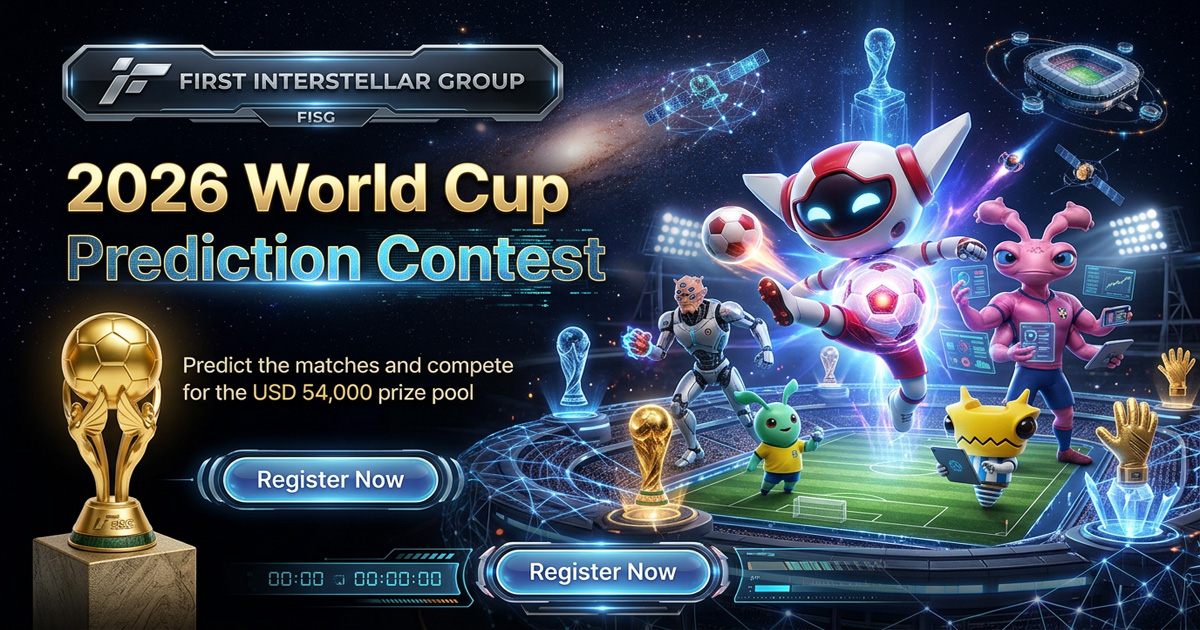
The FISG 2026 World Cup prediction contest offered fans a chance to test their match predictions for a $54,000 prize pool. This updated guide explains how entry and scoring worked and what to check for future editions.
The FISG 2026 World Cup prediction contest gave football fans a structured way to test their match predictions for a $54,000 prize pool. Instead of only watching the tournament, participants submitted picks for World Cup matches and could compare them with the actual results. This guide explains how the contest worked, how entry and scoring were designed, and what to check if FISG runs a similar contest in the future.
Important update: The 2026 World Cup was scheduled to run from June 11 to July 19, 2026. That schedule has now passed, so the entry window for this edition is closed. Treat this article as a reference guide rather than a call to enter. For final dates, winner announcements and any official follow-up, check the official FISG page.
What the FISG 2026 World Cup Prediction Contest Is
The FISG 2026 World Cup prediction contest was a competition for football fans around the world. It was built around the tournament, which was hosted by the United States, Canada and Mexico. Participants predicted match results during the World Cup, so each game became a test of their football judgement as well as something to watch.
Contests like this typically combine three elements: a clear entry process, a set of scoring rules and a leaderboard that shows how participants compare. The FISG contest followed the same general model. The exact details of each element are set out in the official contest terms, which are the final reference for any question this guide does not answer.
Key Features of the Contest
- A prize pool of $54,000.
- An online platform designed to make submitting predictions straightforward.
- A community of fans who discussed picks, teams and match results.
- Leaderboards that let participants compare their picks with others.
How to Enter a Prediction Contest Like This One
Entry was designed to be simple. For a contest of this type, the general steps look like this:
- Create an account on the FISG platform. Sign-up was described as quick and as asking for only a small amount of information.
- Submit your predictions. Depending on the format, you may have needed to predict the winner, the exact score or other key outcomes.
- Track your progress. As the tournament moved forward, leaderboards showed how picks compared.
- Watch for the results. Participants whose predictions were accurate could finish among the winners.
Before entering any contest, read the full terms. Eligibility, entry requirements and deadlines are set by the official rules, not by a general guide like this one. If you are unsure whether a step applies to you, the terms should settle it.
Timing and Deadlines Explained
A prediction contest that runs alongside a tournament follows a predictable timeline. The key points to understand are:
- The contest opens before the World Cup begins.
- Predictions must be submitted before the first match kicks off.
- Winners are announced after the tournament ends.
Because the 2026 World Cup has finished, none of these windows is open for this edition. If you are planning for a future contest, the FISG website and its official social media accounts are the places to confirm opening dates, closing dates and the announcement process. Set a reminder for the official opening date, since late entries are usually not accepted once the first match has started.
How the Scoring System Works
A prediction contest rewards accuracy, and points are generally based on how close your picks are to the real results. Scoring in contests of this kind usually works along these lines, although the exact values come from the official rules:
- Points for correctly predicting the match outcome.
- Extra points for an exact score prediction.
- In some contests, points for predicting key events such as penalties or red cards.
Point values can differ between contests and editions, so never rely on assumptions. Check the scoring section of the terms before submitting your first picks. The table below shows a practical way to review the rules before any future entry.
| What to check | Why it matters | Where to find it |
|---|---|---|
| Entry window | Predictions must be in before the deadline | Official contest terms and FISG announcements |
| Scoring values | Determines how outcomes and exact scores are rewarded | Scoring section of the contest rules |
| Eligibility | Confirms who is allowed to enter | Eligibility section of the terms |
| Tiebreak and prize rules | Explains how winners are decided if scores are level | Prize and winner section of the terms |
Why Fans Take Part in Prediction Contests
A contest like this offers more than a chance to win money. It also gives football fans another way to engage with the tournament.
You Learn More About the Game
Making predictions encourages you to study teams, players and recent form. Over time, that research can sharpen how you read matchups and make you more invested in every round.
You Connect With Other Fans
Sharing picks and comparing views turns a solitary hobby into a conversation with other football followers. Many participants find that the discussion is as rewarding as the leaderboard.
You Compete for a Real Prize
The $54,000 prize pool gave the contest genuine appeal. For fans who enjoy football and forecasting, it offered a way to turn knowledge into a possible reward, subject to the official rules.
Tips for Making Better Predictions
No method guarantees a correct pick, but a few habits can improve your results in any prediction contest.
Review Team Form
Look at each team's recent results. Injuries, player form and win-loss records all matter when you try to predict a match.
Check Past Meetings
When teams have met before, those results can reveal patterns worth considering. Head-to-head history should inform your picks, but it should not outweigh current form.
Follow the Latest Team News
Team news can change quickly during a major tournament. Injuries, lineup changes and other updates can affect the final score, so check them shortly before each deadline.
Keep Your Method Consistent
Choose a process and apply it to every match, rather than changing your approach from round to round. A consistent method makes it easier to review what worked and what did not, which is the most useful habit for improving over time.
The Community Side of the Prediction Contest
One of the best parts of a contest like this is the community around it. Fans can exchange ideas, compare predictions and celebrate good picks together.
- Join discussions. Forums and online discussions give you a place to share your views and see matches from a different angle.
- Follow official updates. Official social media accounts are a reliable source for contest news and announcements.
- Attend watch events. Where local or online watch events are available, they make the contest more fun and give you a chance to talk football in real time.
Final Thoughts and Key Takeaways
The FISG 2026 World Cup prediction contest gave football fans a clear way to join the tournament. Its entry window has now closed, but the structure is useful for understanding any similar contest. Keep these points in mind:
- The contest offered a $54,000 prize pool for accurate predictions.
- Entry involved creating an account and submitting picks before the first match kicked off.
- Scoring, eligibility and deadlines are defined by the official rules, so read them carefully.
- Stronger predictions come from research into form, head-to-head history and team news.
If you also trade financial markets, compare providers carefully before opening an account. Our XM Group review is one place to start that research. Trading involves risk and you can lose money, so only trade with funds you can afford to lose.
FAQ
How do I register for a prediction contest like the FISG one?
Go to the official FISG website and follow the sign-up steps on the platform when a contest is open. The process is described as quick, but check the contest terms for any additional requirements.
Can I update my picks after I submit them?
This depends on the contest rules. Many contests allow changes only before the deadline, so check the terms for the exact policy.
What happens if two people tie?
The prize may be split or the contest may use a tiebreak rule. The exact method is set out in the contest terms.
How are predictions scored?
Points are generally based on how close your picks are to the real results, such as the correct outcome and the exact score. The specific point values are set in the official rules.
Who is eligible to enter the contest?
This guide does not cover eligibility requirements. Check the official FISG contest terms to confirm who can enter.


